Showing 5 Result(s)

Meaning, Memory, and the Limits of Seeing

One of the strange assumptions we make about the world is that things arrive already carrying meaning. We look at an object, a person, a place, or an event and assume that its significance is somehow embedded within it. Yet meaning appears to be less a property of the thing itself and more a process …
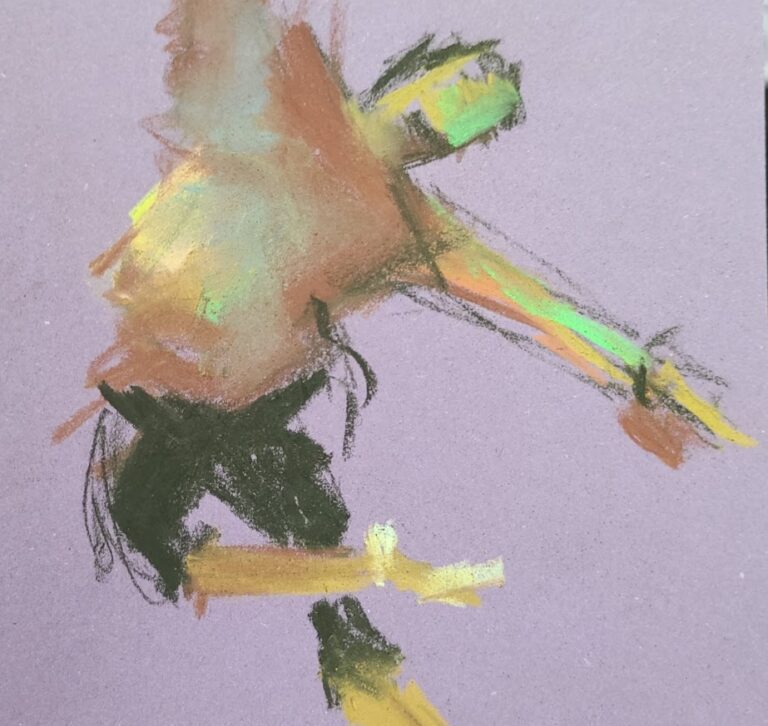
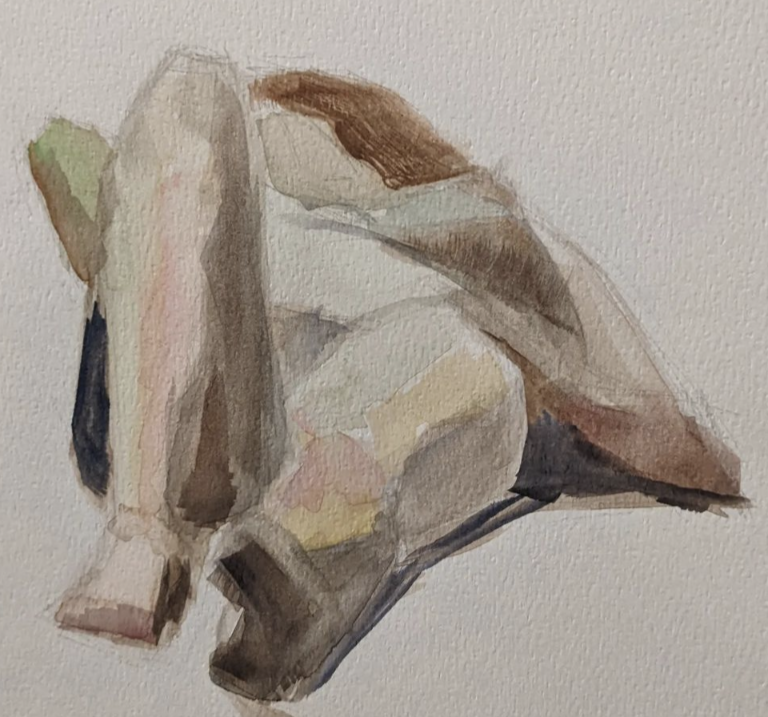
The Embodied Metaphor: Image Creation and the Consumer’s Resonance

Metaphors are not just literary decorations; they are the fundamental cognitive structures we use to understand our lives. By embedding these bodily metaphors into visual compositions, an artist builds an immediate, nonverbal bridge that resonates directly with the viewer’s subconscious. In their groundbreaking cognitive study, Metaphors We Live By, George Lakoff and Mark Johnson proved …

The Architecture of Apophenia: Pattern-Making as Co-Creation

The human brain is evolutionarily hardwired to find meaningful patterns in random chaos. In the studio, we transform this cognitive glitch into a creative superpower, using the viewer’s instinctual pattern-seeking mind to complete the artwork. In evolutionary psychology, researchers use the terms patternicity and apophenia to describe the universal human tendency to find meaningful patterns, …

Cognitive Semiotics and the Metaphorical Line

Human beings do not experience space neutrally; we construct meaning by mapping our bodily existence onto the canvas. Drawing is not a recording of an object, but a mental scaffolding where abstract concepts are given physical weight. When I sit down with a blank sheet of paper, I am not stepping into an empty space; …

The Scaffolding of the Invisible

We do not live in a world of raw, unfiltered data; we live in a world of interpreted signals and symbolic compression. From infancy, human consciousness seeks to stabilize the chaos of existence by building an invisible infrastructure of meaning. This scaffolding is not built from abstract logic, but from cognitive semiotics and inherited metaphors. …