
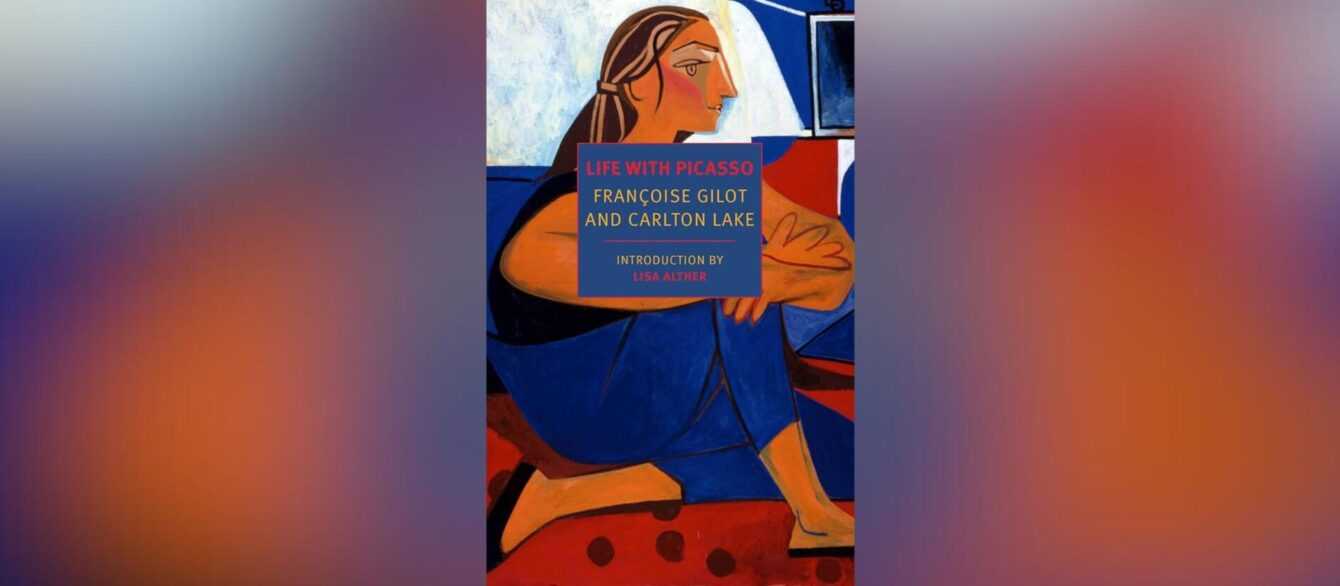
Some memoirs don’t just tell a story—they offer a window into a world, an artist’s process, and the relationships that shape their work. Life with Picasso by Françoise Gilot is one such memoir. Written with a rare blend of grace, honesty, and restraint, Gilot recounts her life with Pablo Picasso, offering an intimate yet detached perspective on their time together as lovers, collaborators, and parents to their two children.
A Story Told with Delicacy and Strength
What sets Gilot’s memoir apart is her tone—measured, almost clinical, yet undeniably beautiful. She retells her experiences with Picasso without unnecessary drama or aggression, creating a space where readers can observe the events without being overwhelmed by the turbulence of Picasso’s larger-than-life personality. It’s a masterful balance that allows the book to feel both grounded and insightful.
Through her eyes, we see Picasso in all his complexity: his genius, his contradictions, and his difficult personality, which at times seemed to be a deliberate part of his craft. From the stories of his relationships with women, his business dealings, and even his mother’s influence, Picasso is portrayed as someone whose brilliance was often intertwined with chaos.
A Woman of Strength and Resolve
Gilot’s narrative isn’t just about Picasso; it’s also about herself—her resilience, her role as his supporter, her observations, and her ability to create her own art amid the demands of their life together. She raised their children, cared for him when needed, and painted her own remarkable works. Her calm yet determined voice throughout the memoir makes her story both admirable and deeply relatable.
Her observations about Picasso’s behavior—both his brilliance and his lunacy—are handled with care. She captures his genius without excusing his flaws, offering readers a nuanced understanding of why he became such a phenomenon in the art world.
Art as a Language of the People
One of the most memorable moments in the book is when Picasso discusses the challenge of making art accessible. He believed art was difficult for many to consume because they lacked a “palette” for it. His solution? Pair something recognizable with something new, something unseen, and repeat it enough times for people to learn to see. This philosophy struck a chord with me—it’s an idea that still resonates with artists today.
Why This Memoir Matters
Life with Picasso isn’t just about one of the greatest artists of the 20th century; it’s about the dynamics of creativity, partnership, and identity. Gilot’s ability to remain true to herself while navigating Picasso’s world is a testament to her strength and artistic vision. Her delicate, masterful storytelling allows readers to appreciate both the genius and the humanity behind the myth of Picasso.
For anyone interested in art, relationships, or the inner workings of creative minds, this book is a must-read. It’s a memoir that lingers in your mind long after you’ve turned the last page.