
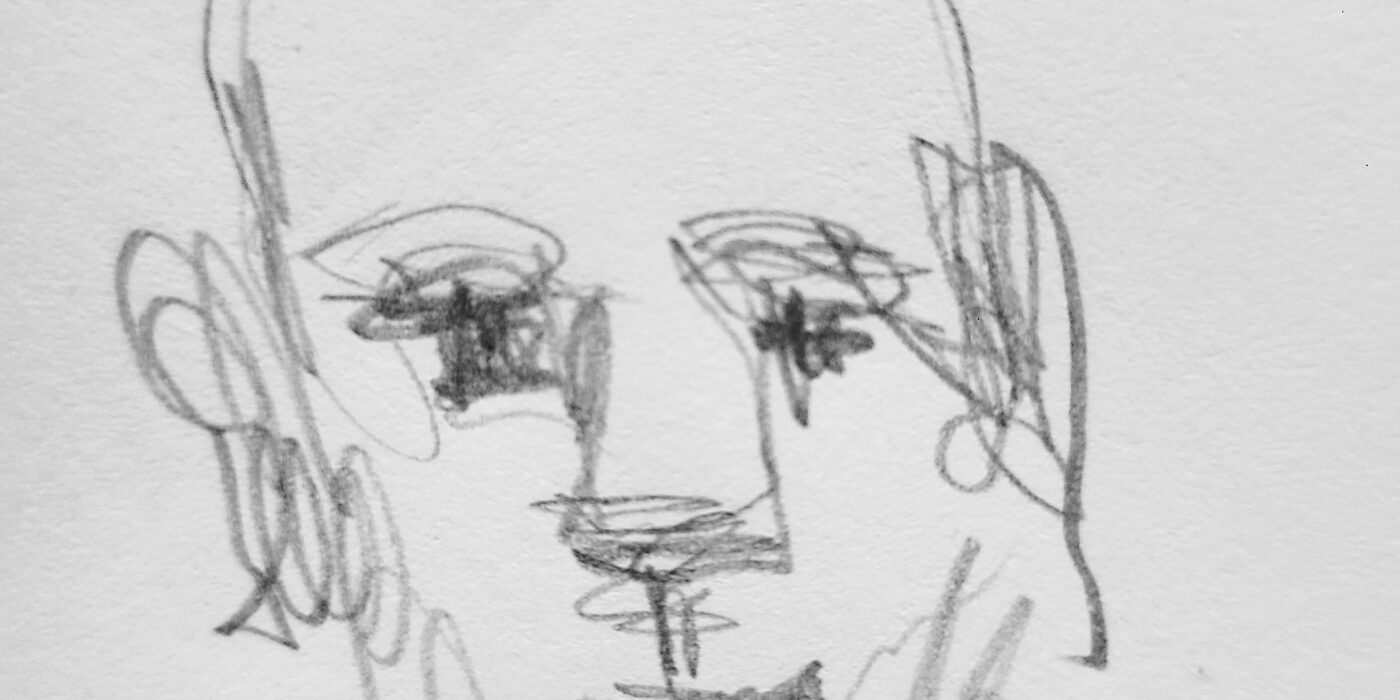
There is a profound difference between what we see and what we think we see. The human brain is a master of efficiency, relying on cognitive shortcuts, emotional filtering, and Gestalt principles to stitch together a predictable world. We look at an object and instantly replace its actual contours, shadows, and colors with a conceptual shorthand—a cultural lens that dictates what should be there.
To practice art, or to practice true awareness, requires a violent dismantling of these assumptions. The age-old artistic command to “draw what you see, not what you know is there” is not a technical trick; it is a phenomenological rescue mission. This section explores that volatile gap between raw sensory perception and mental assumption. By studying the mechanics of visual perception, we reveal how much of our reality is merely a projection of our expectations, and how we might begin to see the world naked again.