
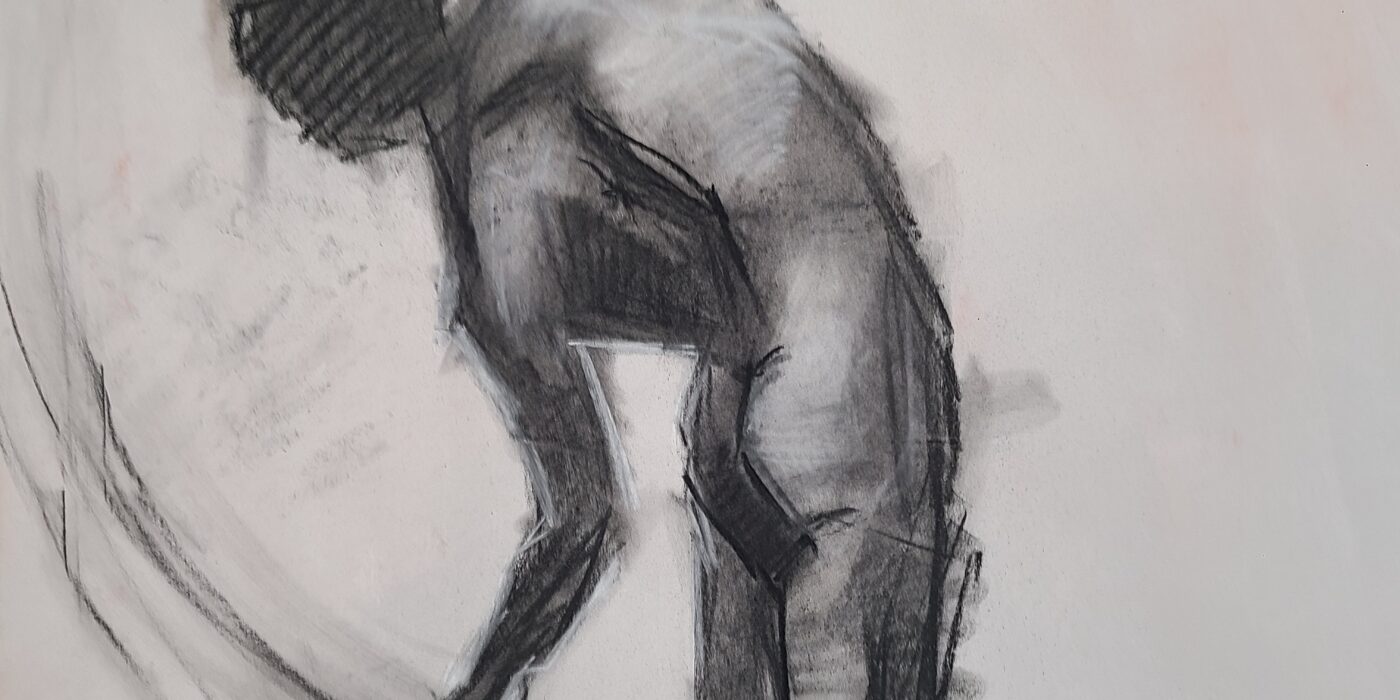
One of the strange assumptions we make about the world is that things arrive already carrying meaning. We look at an object, a person, a place, or an event and assume that its significance is somehow embedded within it. Yet meaning appears to be less a property of the thing itself and more a process performed by the mind.
The human mind seems uncomfortable with the unknown. Faced with something unfamiliar, it immediately begins assigning labels, stories, categories, and relationships. We name things in order to understand them. We compare them to what we already know. We place them into existing mental structures. Without this process, we often feel as though we do not fully understand what we are seeing.
Yet there is a curious limitation hidden within this mechanism. We can only recognize what we already have some reference for.
Picasso often spoke about the limitations of visual vocabulary. A person can only see what they have learned to see. If an idea, shape, pattern, or relationship does not exist within their internal catalogue of experience, they may look directly at it and still fail to recognize it. The world is not simply perceived; it is interpreted.
This may explain why artists, dreamers, and imaginative people sometimes inhabit an unusual territory between reality and imagination. The boundary between memory, dream, observation, and invention becomes increasingly porous. A dream can feel remembered. A memory can feel imagined. A real event can take on the qualities of a myth. Everyday life itself can begin to feel dreamlike.
Alan Watts once suggested that it is one thing to imagine a mythical creature, but another entirely to look at a hippopotamus and realize that it too could have been imagined. The hippopotamus is no less strange than a dragon. It is simply familiar.
Perhaps this is one of the roles of art.
Not merely to show us something new, but to help us recognize what has always been there.
The most successful works often offer a bridge between the familiar and the unknown. Give people something they can recognize, and then quietly introduce something that expands their vocabulary of perception. Too much novelty becomes incomprehensible. Too much familiarity becomes invisible.
Art lives somewhere in between.
It reminds us that meaning is not found waiting for us inside the world. Meaning is something we continually construct as we move through it. The more experiences, symbols, stories, and references we accumulate, the larger our world becomes—not because reality has changed, but because our capacity to perceive it has expanded.